How much
Sized against the milestone that makes the next round possible, plus honest contingency. Raising too little forces a bridge on bad terms; raising too much sets a valuation the company then has to grow into.
Service 04
Tailored funding strategies are the part of a raise founders think about last and regret first. How much, against which instrument, from whom, and in what order — four decisions that look procedural in the week they are made and structural for the following five years.
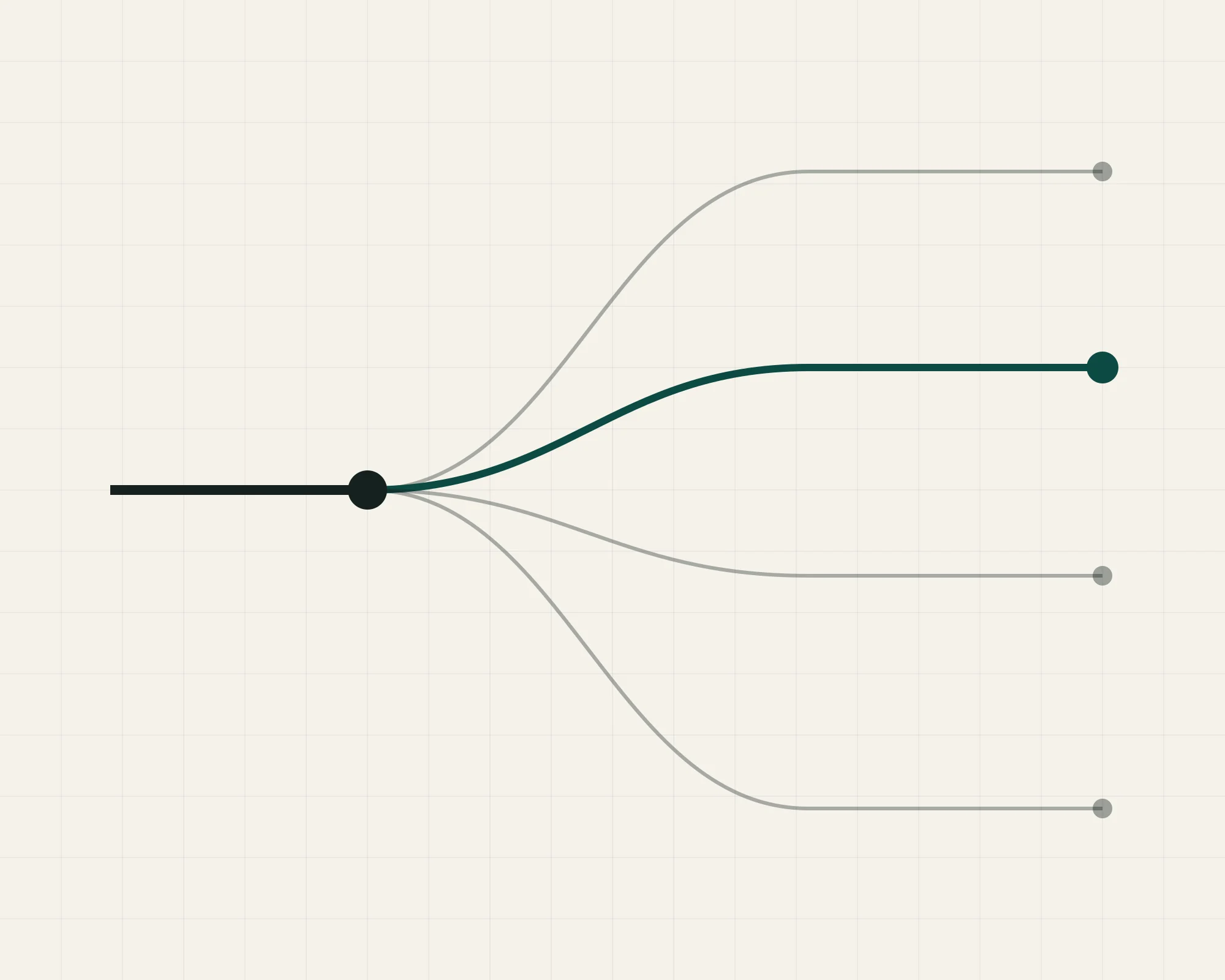
Four decisions
We craft custom financial solutions rather than applying a standard round shape, because the right structure depends on the regulatory position, the burn profile and what the company needs to prove next.
Sized against the milestone that makes the next round possible, plus honest contingency. Raising too little forces a bridge on bad terms; raising too much sets a valuation the company then has to grow into.
Priced equity, convertible instruments, revenue-based facilities, grants or a combination. Each buys a different kind of time and defers a different argument to a different moment.
A strategic investor, a financial one and a syndicate of individuals produce different boards, different reporting and different behaviour when a quarter goes badly.
Sequencing decides leverage. Whether the licence, the anchor customer or the lead investor comes first changes the terms available for everything after it.
We build the cap table forward, not backward: this round, the next one and a plausible third, with option pool refreshes, conversion mechanics and the dilution each founder and early employee actually experiences at each step.
That is where most early mistakes surface. An uncapped instrument that felt generous, a pool promised twice, an advisory grant with no vesting — none of them matter until the round where they suddenly decide who controls the company.
Talk it through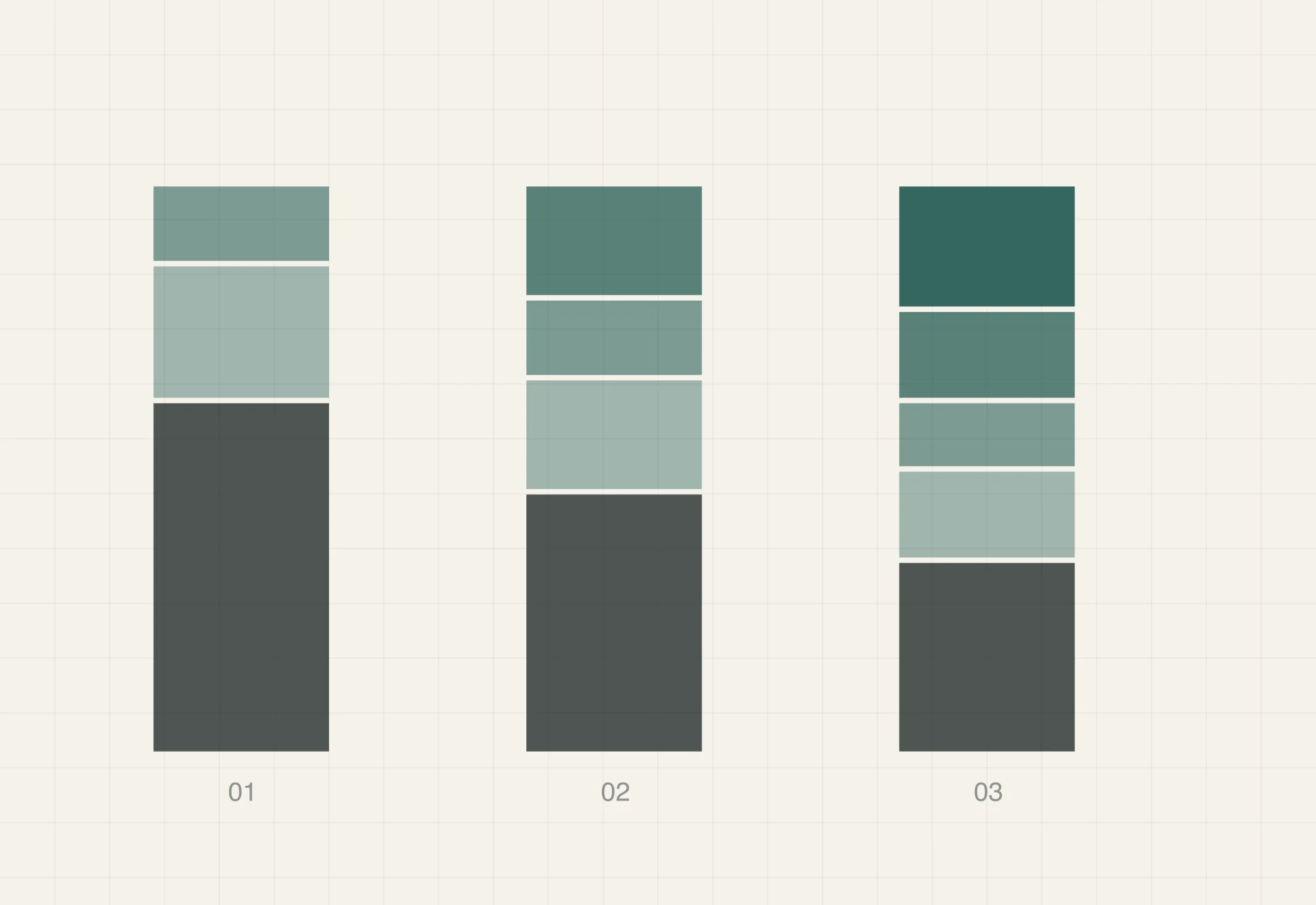
Liquidation preference, anti-dilution, board composition, information rights, drag and tag, and the consent list are where the economics of a deal actually live. A headline valuation with a heavy preference stack can be worth less than a lower number cleanly structured.
We model the outcomes under realistic exit scenarios so the negotiation happens over numbers rather than adjectives, and so you know which three points are worth spending goodwill on.
See risk assessment
Jurisdiction is a funding question as much as a legal one. Some investors cannot deploy into some structures at all; some structures cannot hold the licence the product requires; some cost more in ongoing substance than a young company can carry.
This is settled with your legal advisers, not instead of them. Our role is to make sure the structure chosen is one that the intended investors can actually invest into and the intended regulator can actually license.
Compliance advisory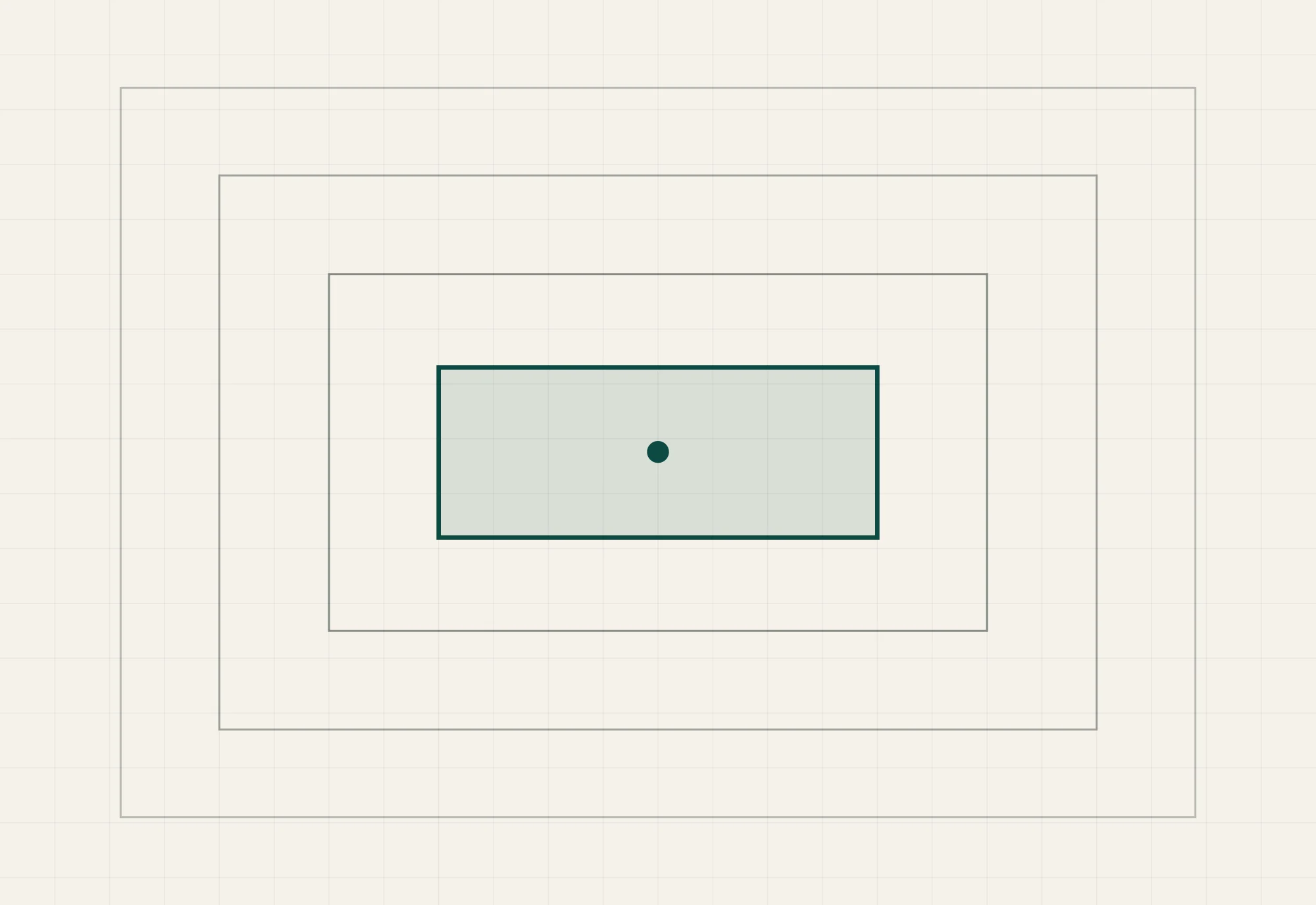
Questions
We can model ranges and show what each one implies for the next round, but a valuation is set by what an investor will pay, not by a spreadsheet. Anyone offering a precise number before a market test is selling comfort.
Usually, but speed is bought on credit. A convertible defers the valuation argument to a moment when you may have less leverage, and stacked convertibles can convert into a cap table nobody intended. It is a good instrument used deliberately and a bad habit used repeatedly.
No. We are not a law firm and do not give legal opinions. We work alongside your counsel: they draft and advise on the law, we model the economics and make sure the commercial intent survives the drafting.
No, and that is a common entry point. A term sheet review is a short, focused engagement: what the terms do under realistic outcomes, which points are genuinely negotiable at this stage, and what to ask for instead of a higher headline.
That is discussed case by case at scoping and put in writing before work starts, along with any resulting conflict of interest. It is never assumed and never hidden inside a fee schedule.
Whether you are sizing a first raise or reading a term sheet that arrived yesterday, send what you have. The reply comes within 24 hours and will say what we would model first.