Services

Six services that answer six different founder questions

Nothing here is a package. Each service exists because founders arrive with a specific obstacle, and the obstacle is rarely the one they lead with. Scoping decides which of the six is actually in play — and says so plainly when the answer is none of them yet.

01

Startup investment facilitation

For founders who believe the venture is fundable but cannot get it in front of the right people, or who keep reaching the second meeting and no further.

The work is making the company legible: the story, the numbers that have to carry it, the materials, and a shortlist of investors genuinely active at this stage and in this sector.

Investment facilitation

A ruled shortlist of entries with three of them marked by a filled square
02

Strategic partnership development

For companies whose next step is a relationship rather than a cheque — a distribution partner, an institutional counterparty, a licence holder willing to sponsor a product.

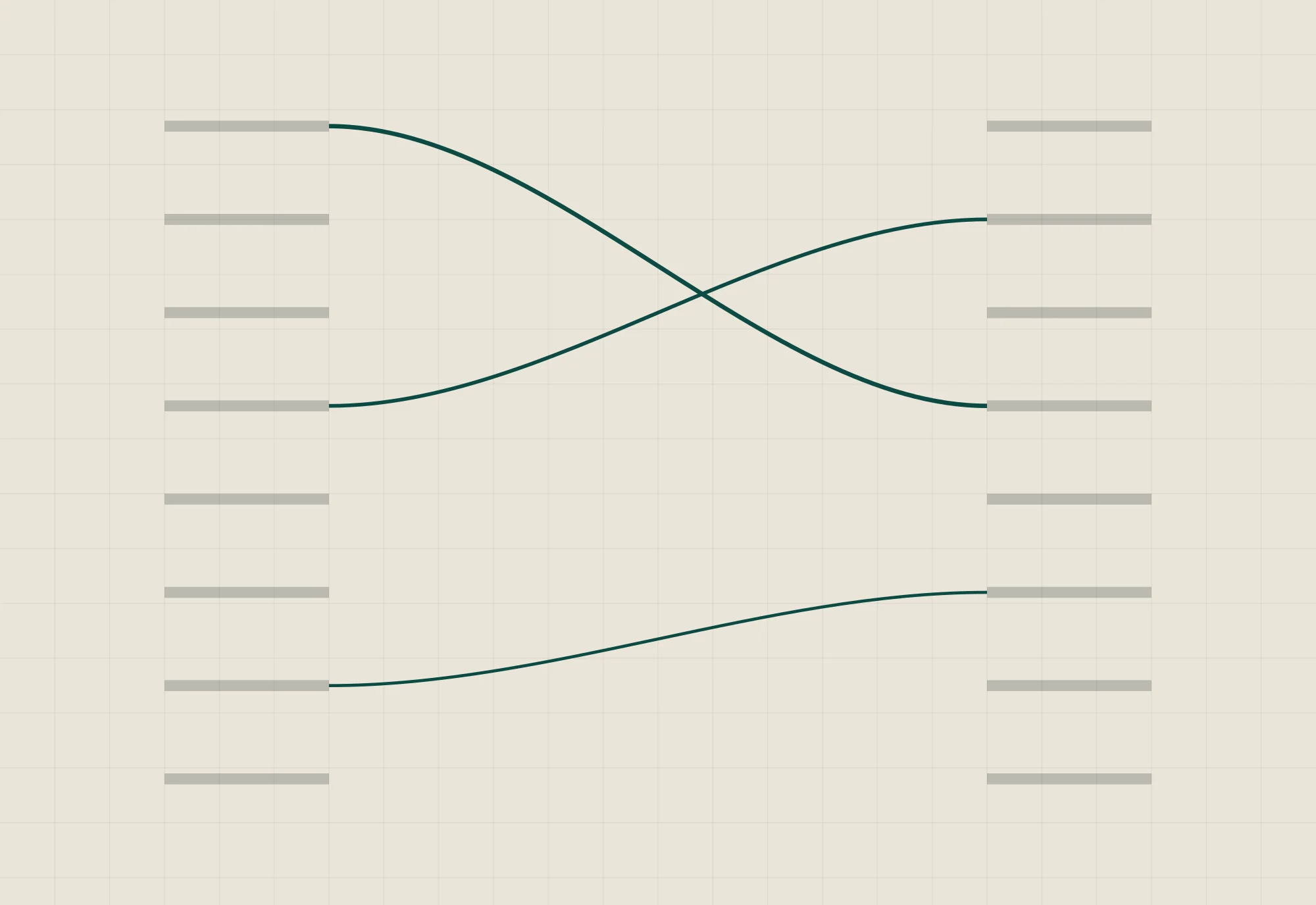
We build the bridge between founders and the investors and operators who can scale a technology, then stay in the relationship long enough for it to produce something.

Partnership development
Two columns of short bars joined by three curves crossing the gap between them
03

Risk assessment for startups

For founders who suspect there is something in the venture that will surface during diligence, and would rather find it themselves.

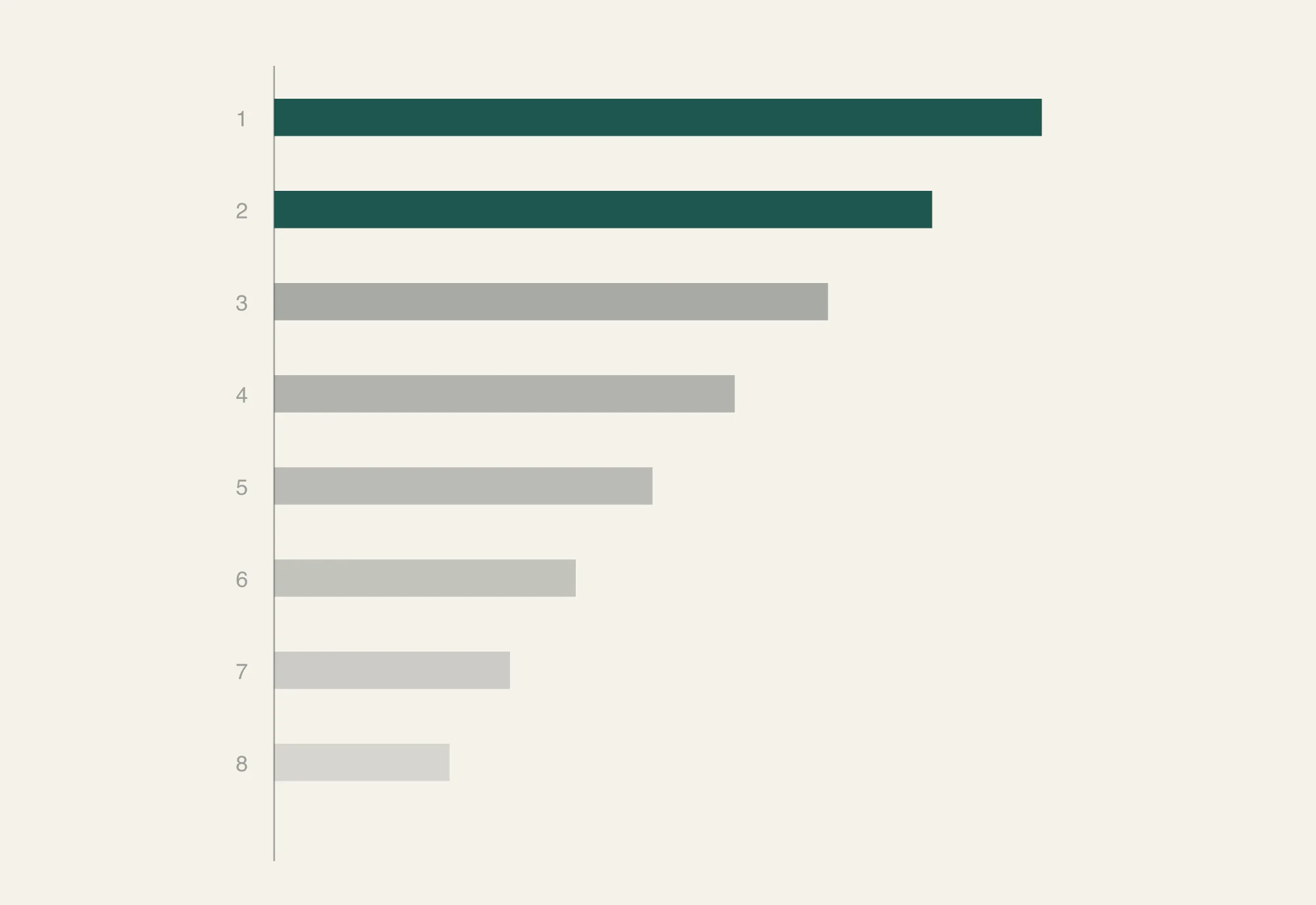
Every innovation carries risk. A detailed analysis names the technical, commercial, regulatory and counterparty exposures, ranks them, and says which ones are worth fixing before a raise.

Risk assessment
A ranked ladder of numbered bars, the top two drawn solid and the rest fading
04

Equity and funding solutions

For companies deciding how much to raise, on what terms and in what form — before a term sheet arrives and the decision is made under time pressure.

Tailored funding strategy: instrument, size, sequencing and the effect each choice has on control, dilution and the round after this one.

Equity and funding
A single stacked bar divided into four unequal parts, one of them filled
05

Regulatory compliance advisory

For products that touch money, custody or a public token, where the regulatory question is the product question and cannot be deferred.

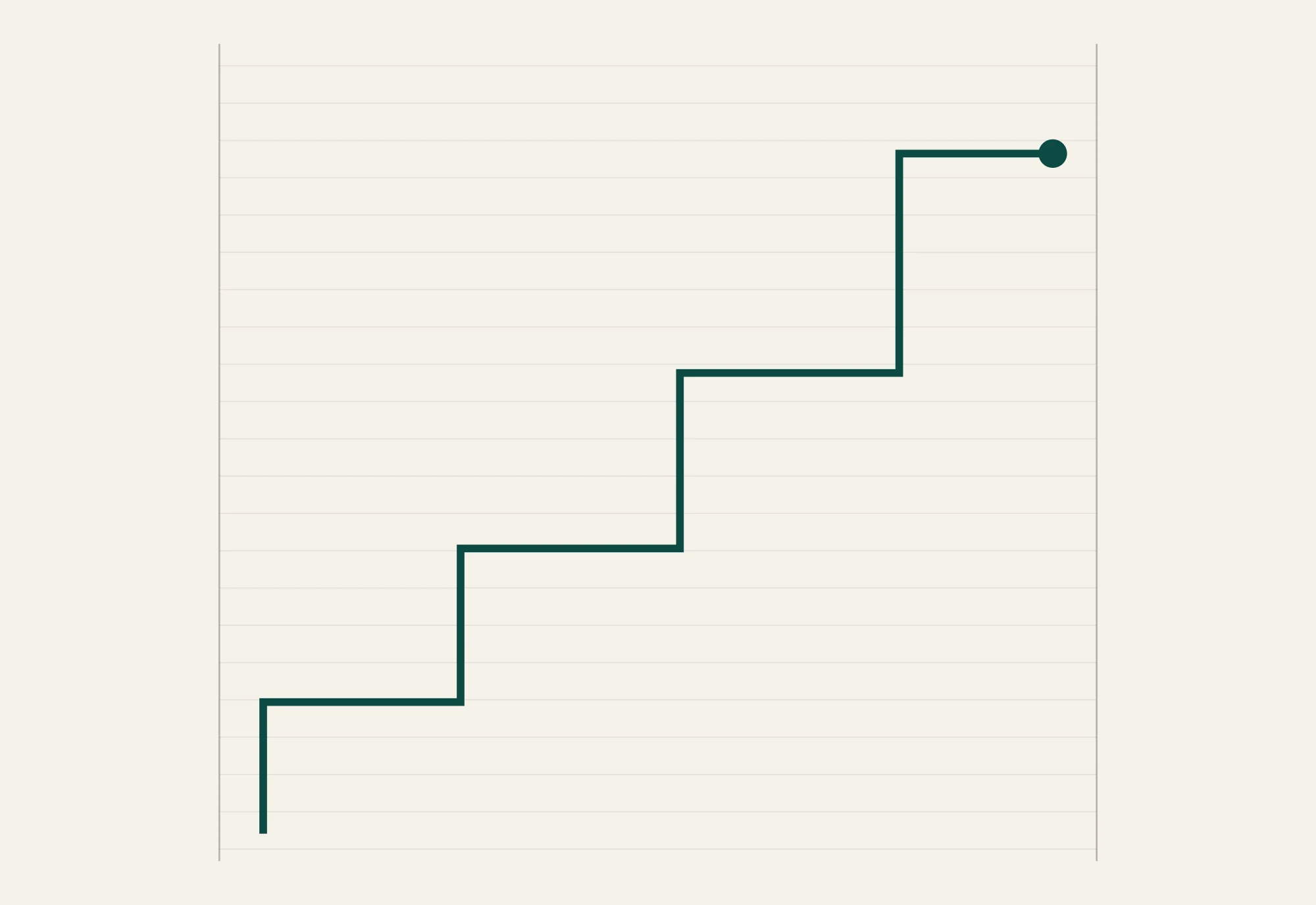
We map the regime that applies, the authority that enforces it, the licence or exemption route, and the sequence that keeps a raise from stalling on a filing.

Compliance advisory
A stepped route climbing between two ruled margins to a marked end point
06

Portfolio management

For companies after the raise, and for the investors alongside them, where the risk shifts from securing money to using it well.

Monitoring, a reporting rhythm the company can sustain, honest follow-on decisions, and support on the operational problems that quietly consume a runway.

Portfolio management
Four evenly spaced groups of short marks along a baseline, each opened by a taller rule

How they combine

One obstacle usually reveals the next

The services are contracted separately, but they are not independent. This is the order the work tends to take when a company arrives early.

  1. Name the risk

    A risk assessment comes first when nobody can say confidently what would break the company. It sets the agenda for everything after it.

  2. Settle the regime

    If the product is regulated, the licence route determines the timeline, the jurisdiction and often the corporate structure. Deciding it late is expensive.

  3. Choose the structure

    Instrument and raise size follow from the regulatory position and the risk profile, not from what a comparable company announced last quarter.

  4. Reach the market

    Only then does investor positioning and introduction work make sense. A company that is not yet fundable does not benefit from more meetings.

  5. Hold the line

    After a close, portfolio work keeps the plan honest: what was promised, what changed, and what the next decision actually depends on.

Not sure which of the six you need?

That is the normal starting position, and it is what scoping is for. Describe the obstacle in your own words and we will tell you which service answers it — or that none of them does yet.